
Verruca Treatment at Essex Podiatry
A verruca is a common viral skin infection that develops on the feet and is caused by the human papilloma virus (HPV).
At Essex Podiatry, we provide professional assessment and tailored treatment options for verrucas, including advanced Swift microwave therapy for persistent or difficult-to-treat cases.
If you are dealing with a painful, spreading, or long-standing verruca, our experienced podiatrists can help you find the most appropriate treatment option.
What Is A Verruca?
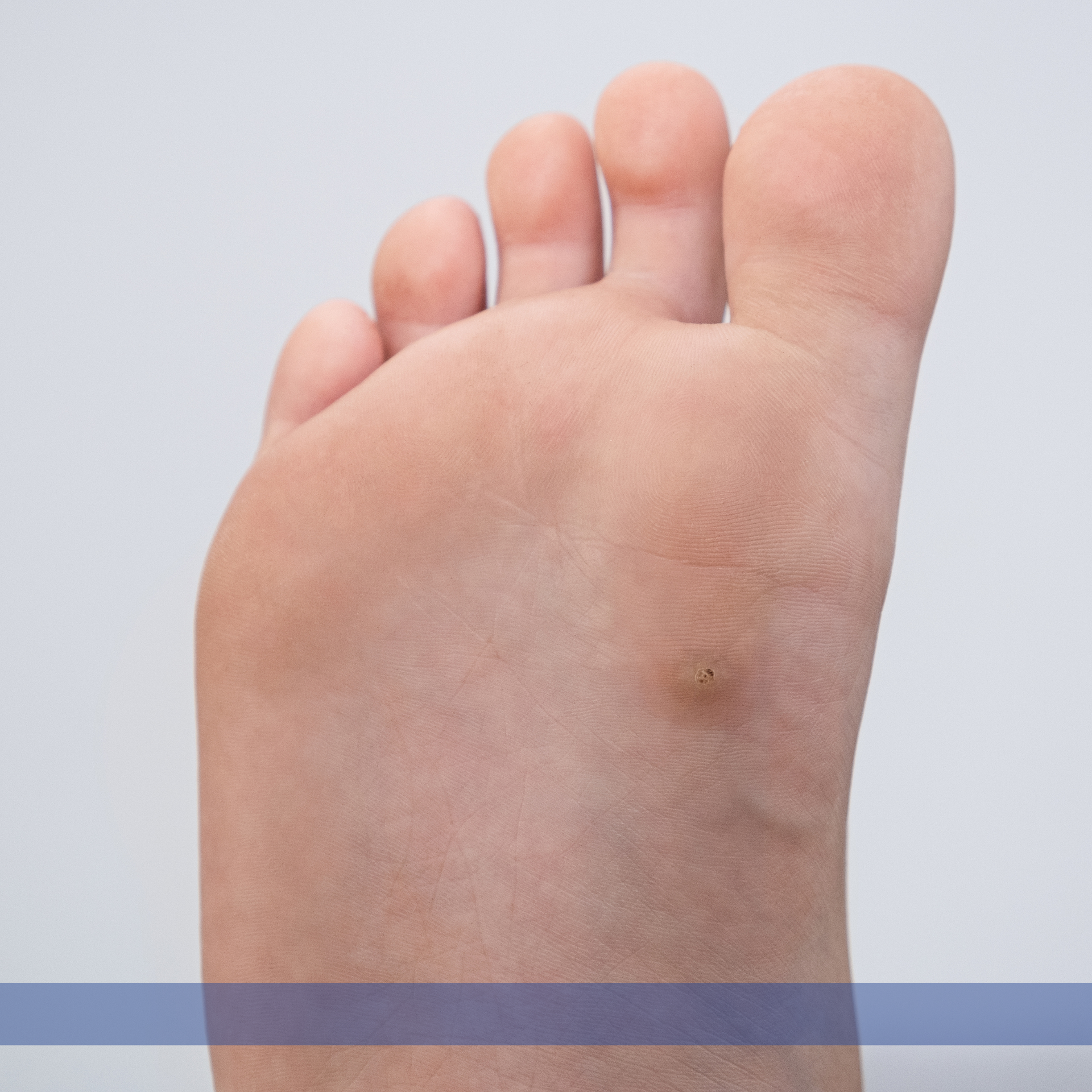
A verruca is a small viral skin infection that develops on the soles of the feet.
It is caused by the human papilloma virus (HPV) and typically appears in areas of pressure, such as:
- The heel
- The ball of the foot
- The toes
A verruca can sometimes be mistaken for other skin conditions, which is why professional assessment can be helpful in identifying the most appropriate treatment.
Signs And Symptoms Of A Verruca
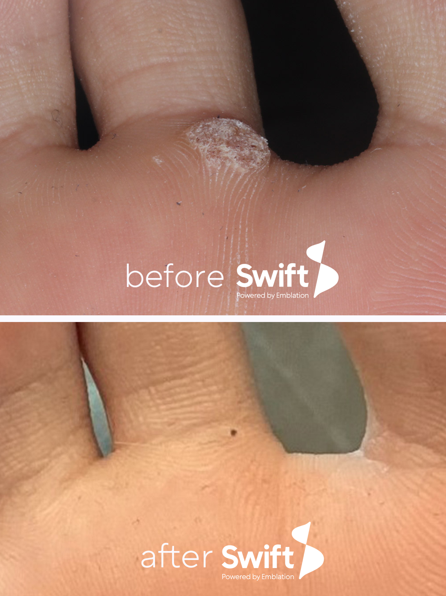
Verrucae can vary in appearance, but common signs and symptoms include:
- A rough patch of thickened skin on the sole of the foot
- Small black dots within the lesion (often tiny blood vessels)
- Pain or tenderness when walking or standing
- Discomfort when pressure is applied to the affected area
- Hard skin building up around the verruca
Some verrucae remain relatively small, whilst others can gradually increase in size or become uncomfortable when placed under pressure during daily activities.
If you are unsure whether you have a verruca, our podiatrists can assess the area and advise on the most suitable treatment options.
How Do You Get A Verruca?
Verrucae are caused by the human papilloma virus (HPV), which infects the outer layer of skin on the feet.
The virus typically enters through tiny cuts, breaks in the skin, or areas where the skin barrier has been weakened, often without you realising.
Verrucae can spread when the virus comes into contact with broken or vulnerable skin, particularly when walking barefoot on contaminated surfaces.
They are commonly picked up in warm, damp communal environments such as:
- Swimming pools
- Changing rooms
- Gym showers
- Shared shower facilities
- Other communal barefoot areas
Not everyone who comes into contact with the virus will develop a verruca. Factors such as your immune system, repeated exposure, and overall skin health can all play a part.
Once the virus enters the skin, a verruca may develop gradually and can sometimes go unnoticed until it begins causing discomfort when walking or standing.
Do Verrucae Go Away On Their Own?
Some verrucae will disappear naturally over time as the body’s immune system gradually fights the virus.
However, this process can take many months and in some cases several years.
Some verrucae remain persistent, spread to other areas of the foot, or begin causing pain when walking, particularly if they develop in weight-bearing areas.
For persistent or painful verrucae, professional treatment may be recommended and is best discussed with your podiatrist or foot health professional.
Verruca Treatment Options
There are a range of treatment options available for verrucae, depending on factors such as:
- The size of the verruca
- How long it has been present
- Whether it is causing pain or discomfort
- Whether previous treatments have been unsuccessful
At
Essex Podiatry, we assess each case individually and recommend the most appropriate treatment plan based on your specific circumstances.
For stubborn verrucae that have failed to respond to more traditional treatments, we also offer
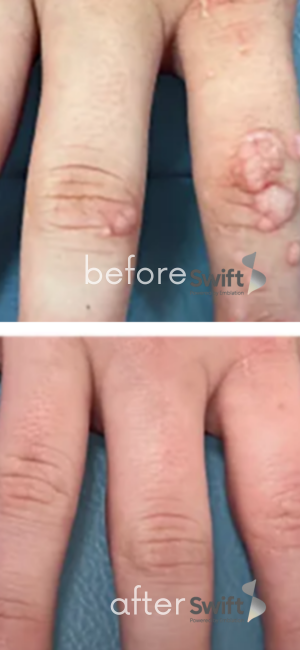
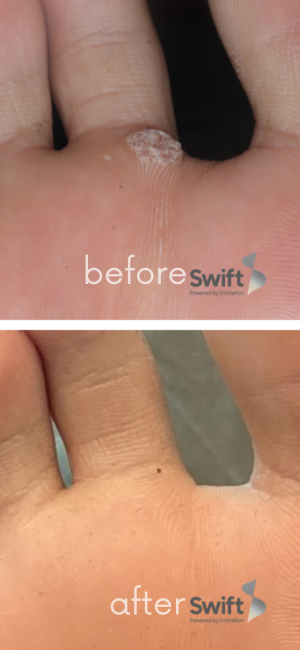
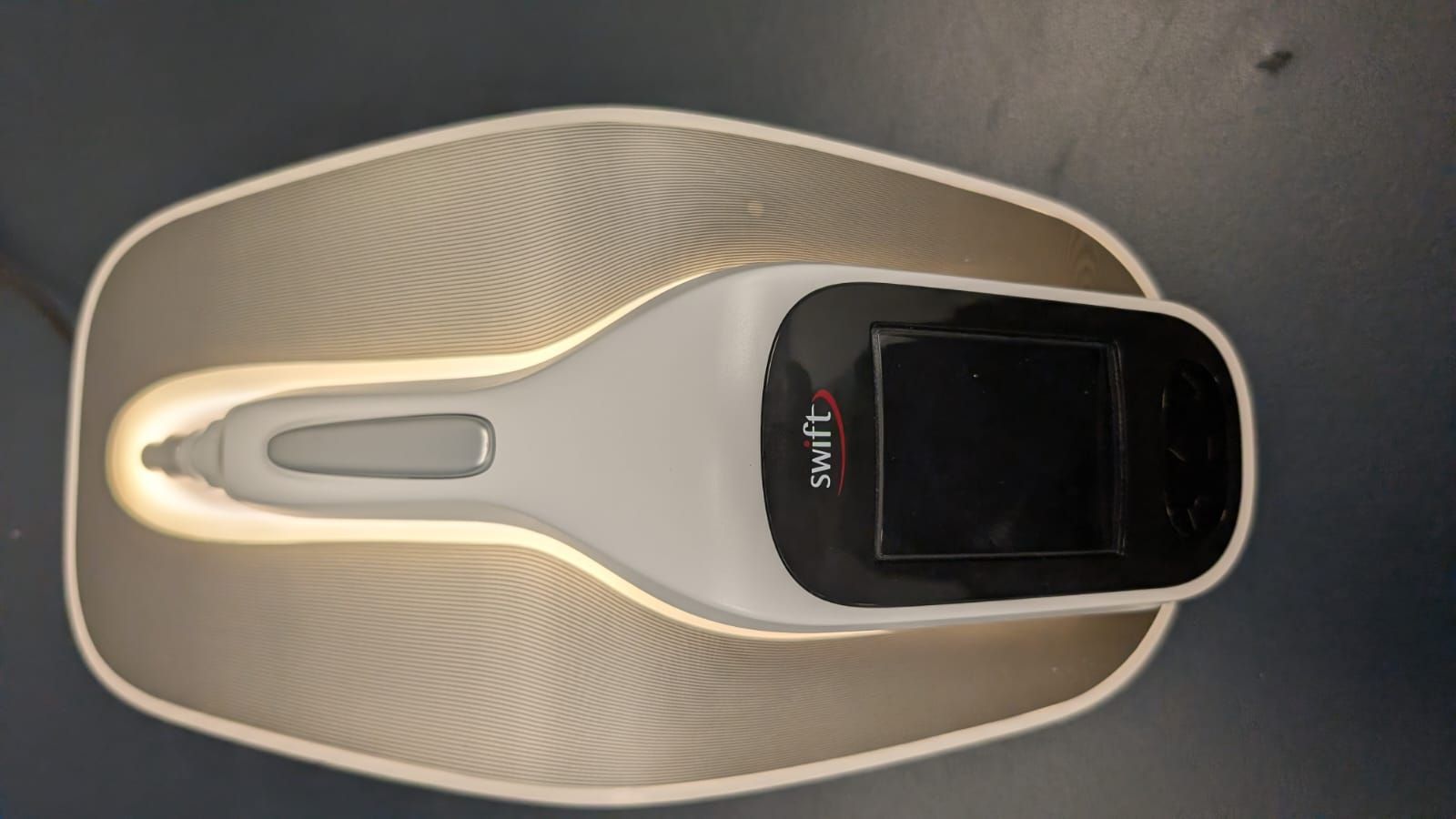
Swift microwave therapy - an advanced treatment designed to stimulate the body’s natural immune response and target the underlying virus.
Are You Struggling With A Stubborn Verruca?
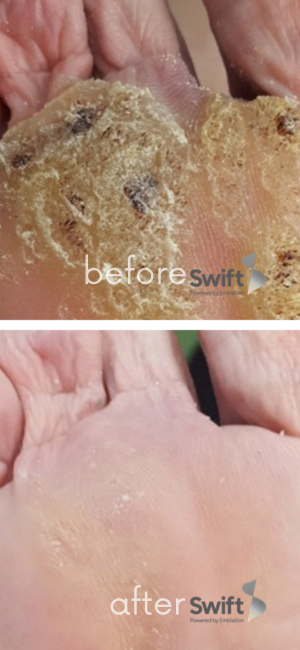
If you have tried over-the-counter treatments or have been dealing with a verruca for months without success, Swift microwave therapy may offer a more effective treatment option.
Swift is an advanced treatment available at Essex Podiatry that targets the virus beneath the skin, without the need for acids or invasive procedures.
When Should You See A Podiatrist?
We would recommend booking an appointment if:
- Your verruca is painful
- It has been present for a long time
- It is spreading to other areas
- Over-the-counter treatments have not worked
- You are unsure whether the lesion is actually a verruca
Our podiatrists can assess the problem, confirm diagnosis, and recommend the most appropriate treatment for you.
Frequently Asked Questions
Yes. Verrucae are caused by a virus and can spread through direct contact or by walking barefoot on contaminated surfaces such as communal changing rooms or swimming pool areas.
Some verrucae may respond to over-the-counter treatments. However, stubborn or painful verrucae often benefit from professional assessment and treatment.
Not always. Some verrucae cause little discomfort, whilst others can become painful, particularly when they develop on weight-bearing areas of the foot.
If your verruca is painful, spreading, has been present for a long time, or has not responded to home treatment, it is advisable to seek professional assessment.
If you are struggling with a painful or persistent verruca, the team at Essex Podiatry can help.
We provide professional assessment, personalised treatment recommendations, and advanced treatment options including
Swift microwave therapy for stubborn verrucas.